Albuquerque Botox acne rosacea
What is Microdermabrasion? |Return to Services|
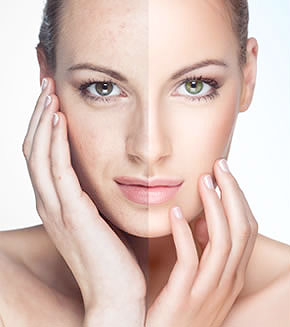
If you’re worried about those fine lines and wrinkles giving away your age, fear no more! Microdermabrasion is a technique specifically designed to reduce the appearance of fine lines, wrinkles, age spots and sun damage by rejuvenating the skin
New Mexico microdermabrasion procedures are a cosmetic technique that retextures the skin’s surface, smoothing the appearance of fine lines and wrinkles. The process works by using a gentle abrasive technique to remove the outermost layer of skin. By removing this layer of skin, new collagen growth is stimulated as the damaged skin heals. The result —smoother, clearer, younger looking skin!
Eternal Youth Medical Spa offers this deep exfoliation technique in the comfort and serenity of our Albuquerque spa. When you come in for your procedure, you’ll instantly feel welcomed and refreshed as we enable you to cast off your cares —even if it is only for a little while. The whole experience is refreshing and invigorating from start to finish!
Learn More About Microdermabrasion
You also have the peace-of-mind knowing that you are receiving treatment at a med spa from experienced professionals. Not only do we have a medical doctor on staff, but you will be cared for by a licensed aesthetician who is committed to making sure you have a safe and enjoyable experience.
Microdermabrasion uses tiny exfoliating crystals that are sprayed on the skin. It works best on problems such as dull skin, brown spots, and age spots.
Microdermabrasion works on all skin types and colors. It makes subtle changes, causing no skin color change or scarring. It is not effective for deeper problems such as scars, stretch marks, wrinkles, or deep acne scars.
With microdermabrasion, there is less down time than with dermabrasion. Skin is temporarily pink but fully recovers within 24 hours. It doesn't require surgery or anesthetics. That may help people who cannot take "down time" for healing.
* Promotes a healthy, more youthful complexion
* Reduces appearance of wrinkles
* Rejuvenates skin for a glowing complexion
* Decreases or eliminates mild to moderate acne scarring
* Helps decrease hyperpigmentation or brown spots
* Can’t afford to take time off for healing from a chemical peel or laser procedure
* Don’t want to put off their outdoor activities like golf, tennis or skiing
* Have skin sensitivities to chemicals or make-up
* Have acne-prone skin that has not responded well to other acne remedies